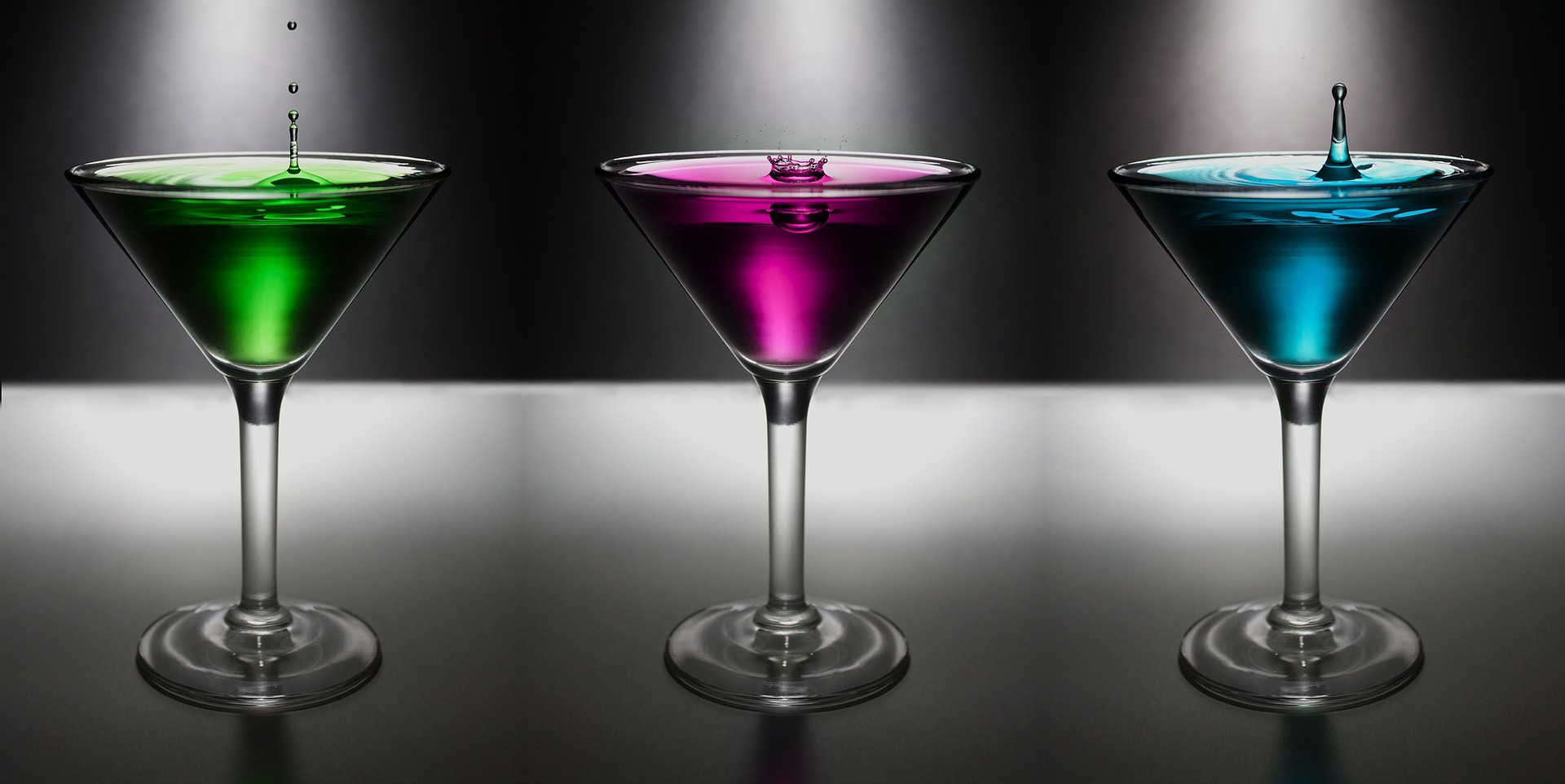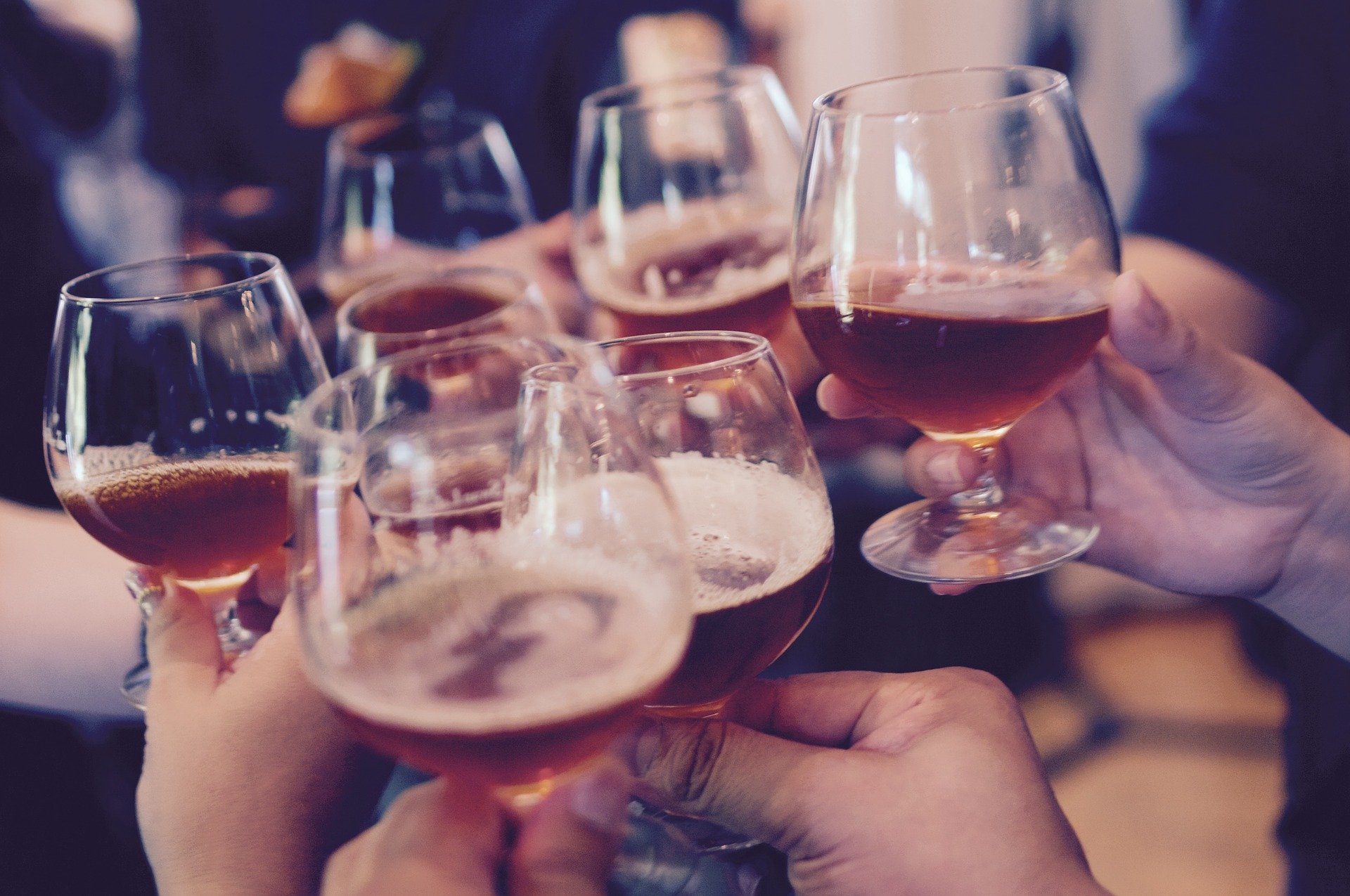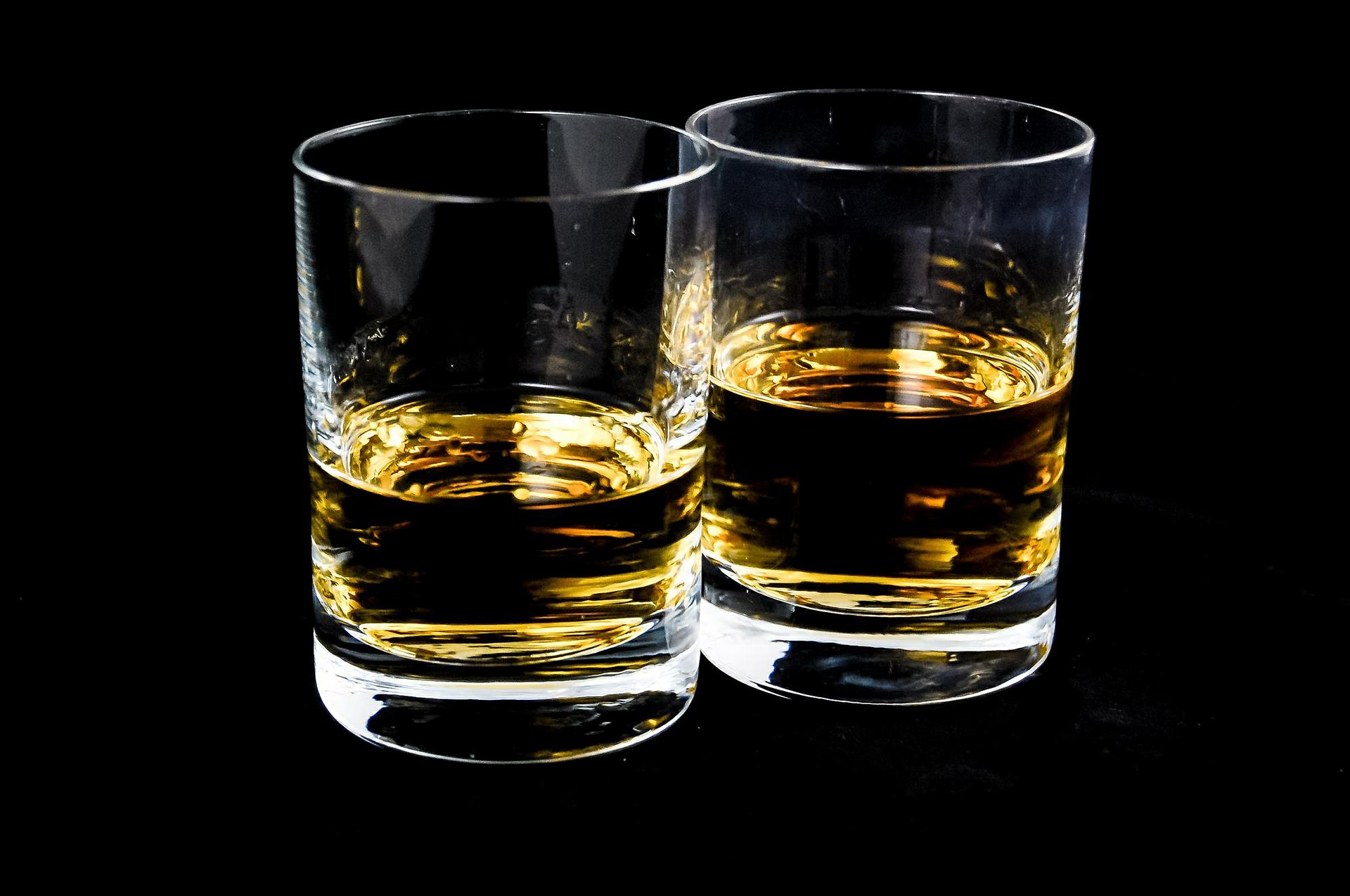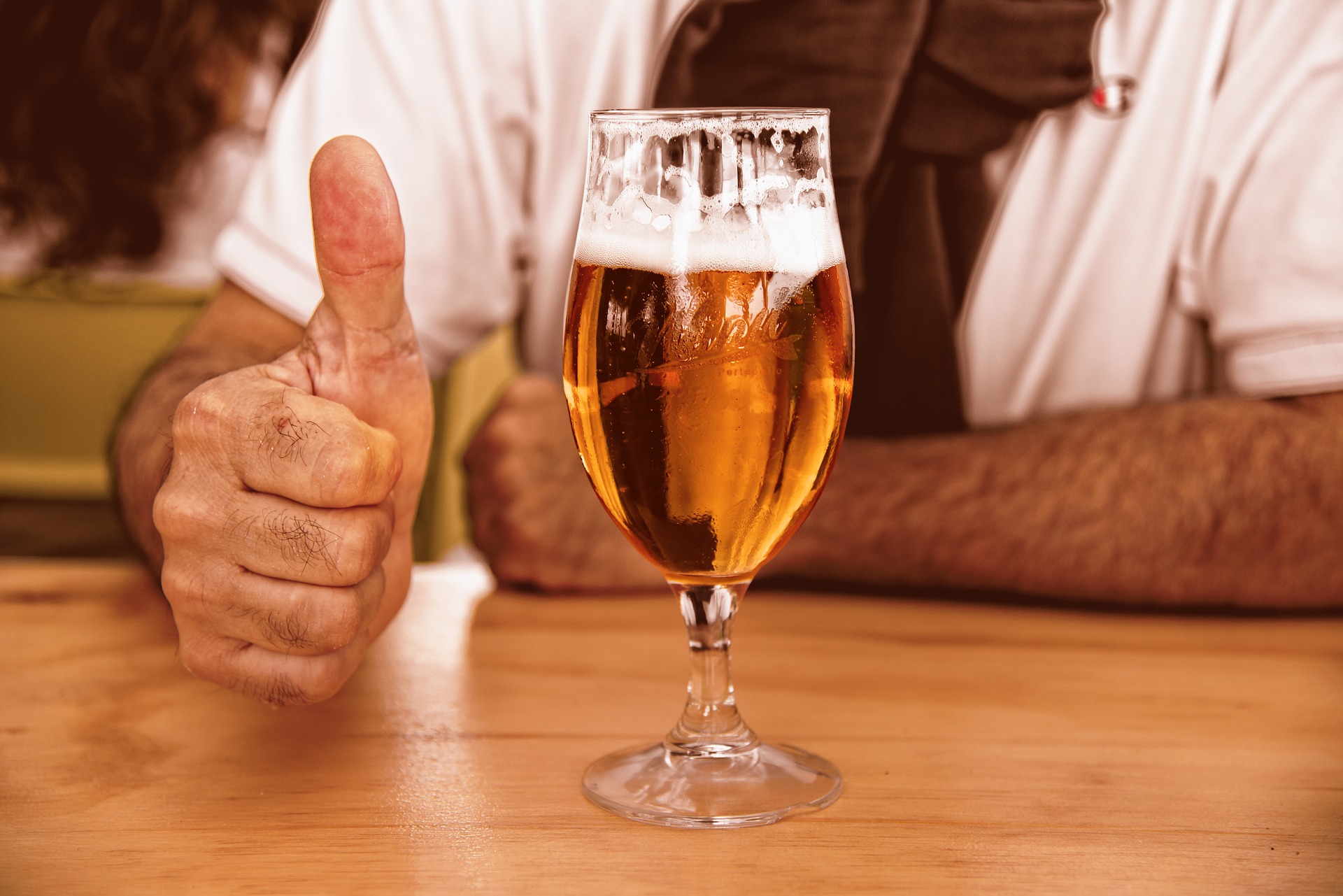
Most people simply drink alcohol for enjoyment.
Alcohol lubricates social and business intercourse; it aids the digestion of food and has been used in the treatment of wounds and disease. It not only serves served as a focus of secular ceremony, but also as an object of religious ritual.
Over indulgence however, does result in some very serious consequences, for both individuals and wider society, where its effects can be quite anti-social.
In 1987, to help people keep track of their drinking, the idea of counting alcohol units was first introduced in the UK.
Units are a simple way of expressing the quantity of pure alcohol in a drink. One unit equals 10ml or 8g of pure alcohol, which is around the amount of alcohol the average adult can process in an hour. This means that within an hour there should be, in theory, little or no alcohol left in the blood of an adult, although this will vary from person to person.
The number of units in a drink is based on the size of the drink, as well as its alcohol strength. For example, a pint of strong lager contains 3 units of alcohol, whereas the same volume of low-strength lager has just over 2 units. Knowing your units will help you stay in control of your drinking.
Both men and women are advised not to drink more than 14 units a week on a regular basis. Fourteen units is equivalent to 6 pints of average-strength beer or 10 small glasses of low-strength wine.
If you regularly drink as much as 14 units a week, drinking should be spread out over 3 or more days. Be sure that you have several drink-free days each week.
How much do you know about alcohol?
Click to check your knowledge by answering “True or False”