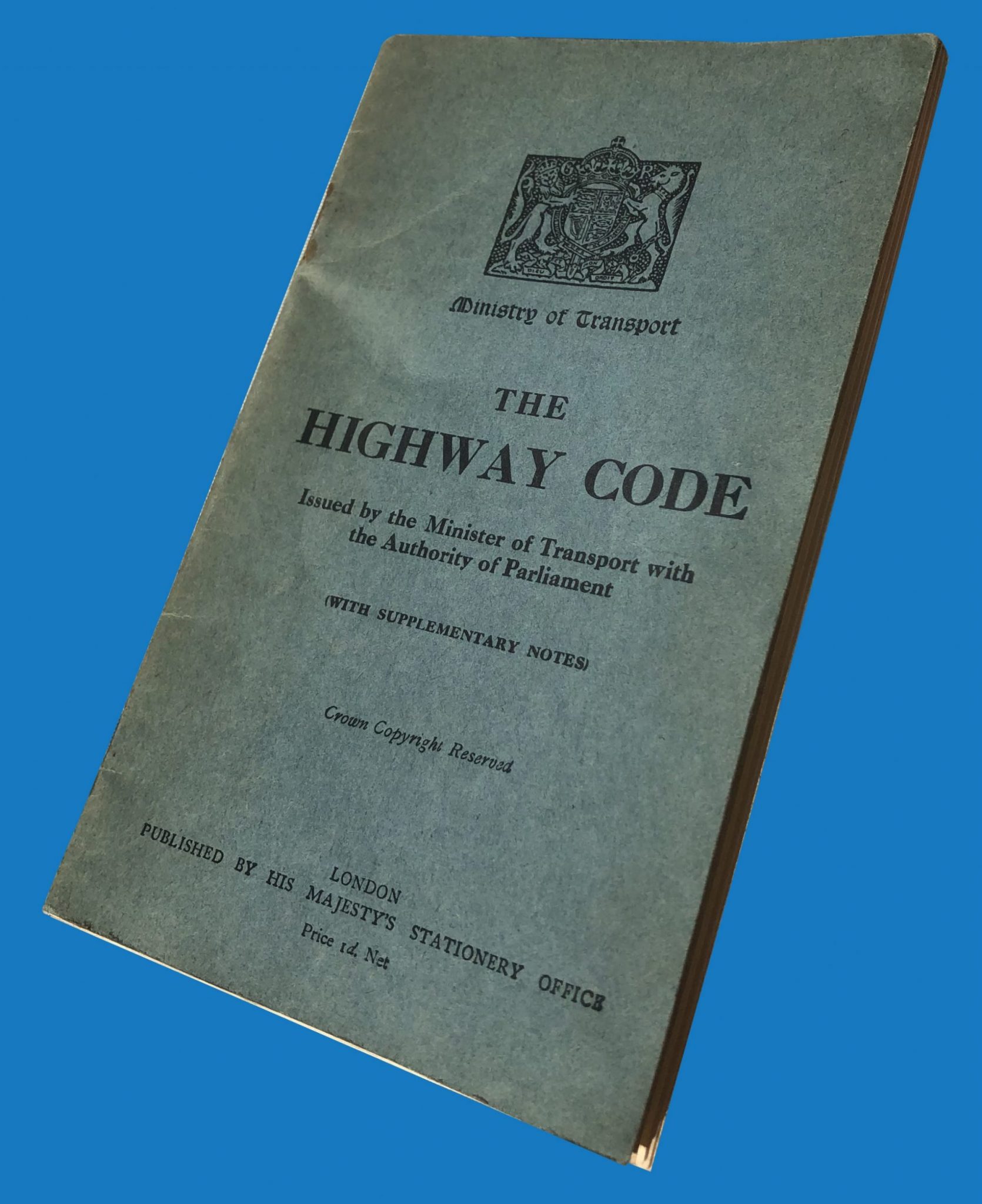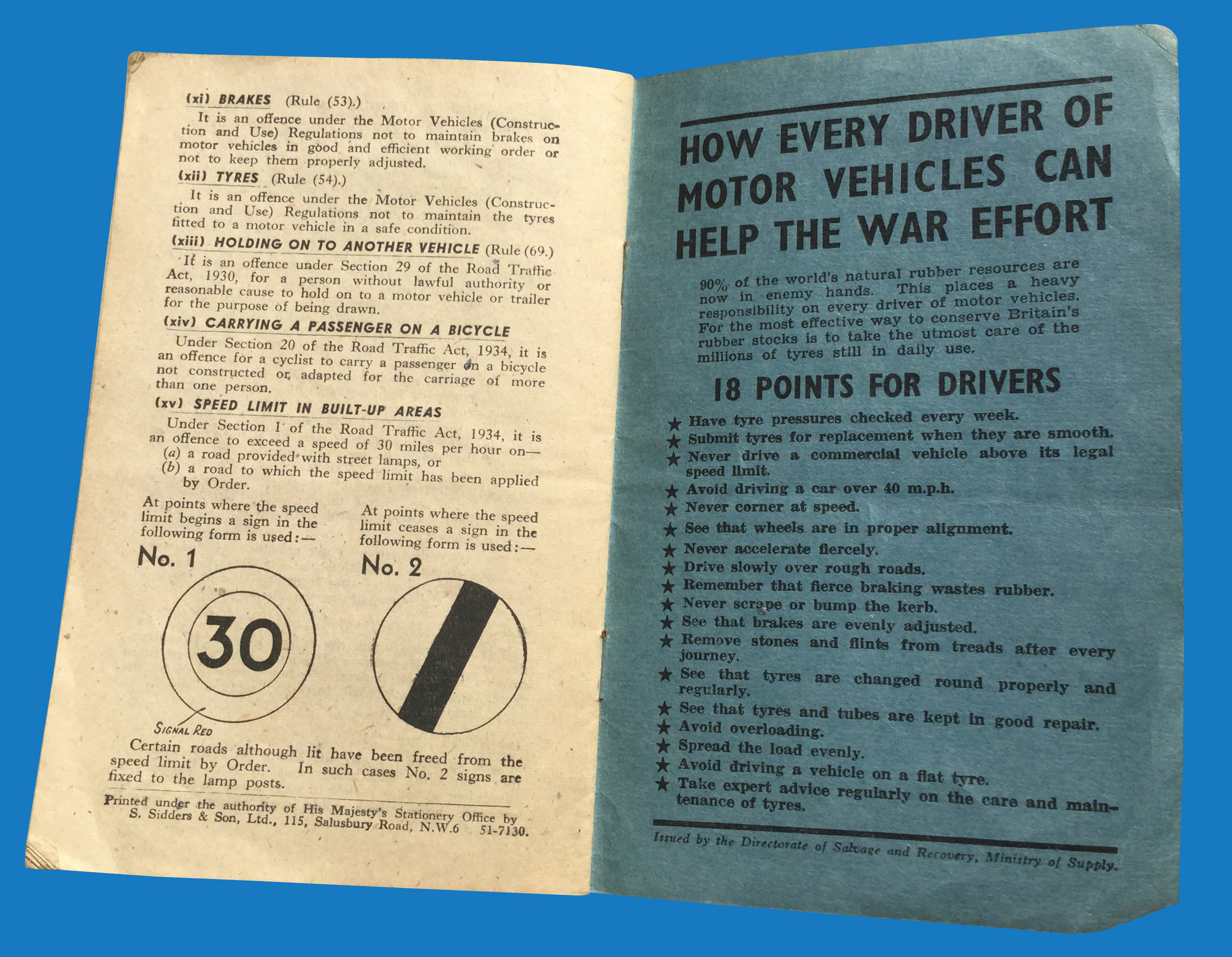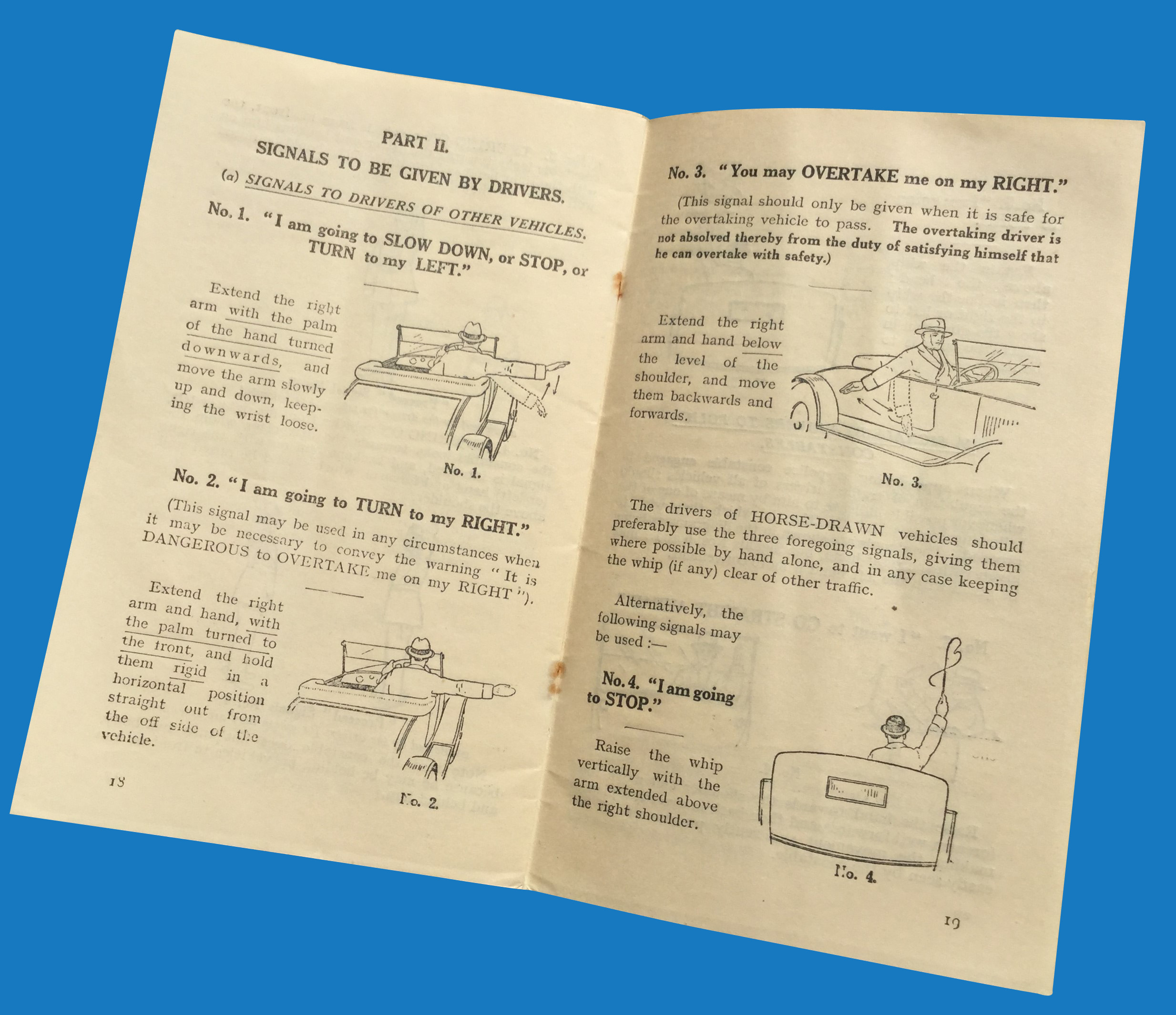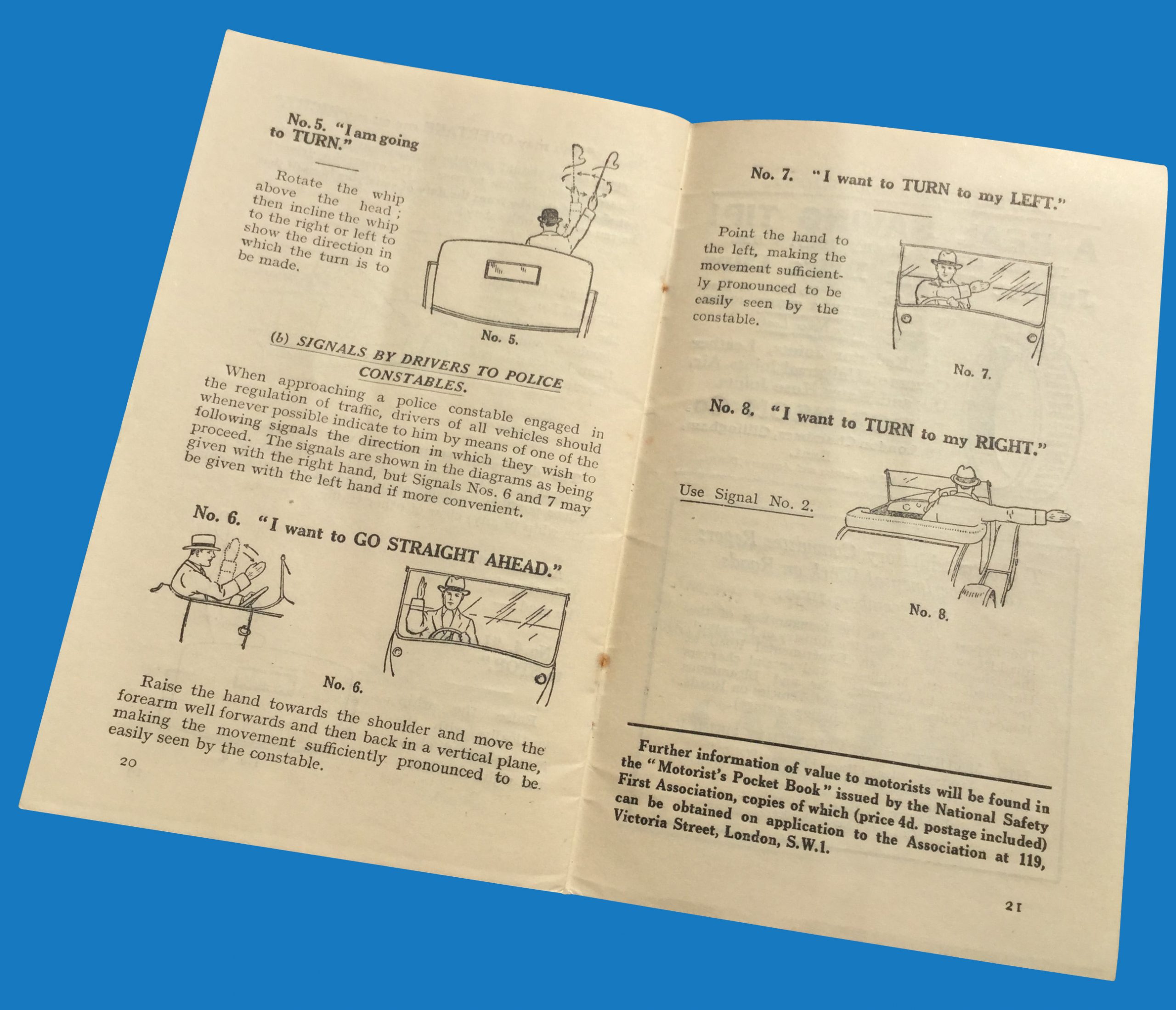
The Highway Code has been around since 1931. It has always been a best seller, no doubt because of its captive audience, new learner drivers.
The Highway Code, by definition is a set of rules, acting mainly to give advice and guidance for all road users. Its aim is to encourage more careful and considerate behaviour towards each other when using the road.
Its message hasn’t changed, but each Edition contains more information. We do live in times of change. Improvements in technology, changing behaviours and the economy, each of these things influence the way we travel on our roads.
As a result we can say that this is why the publication continuously grows in size. We could question however, whether some of the inclusions are non-essential? Should “skid-control” and “coasting” be part of the Highway Code?
Consider the statement “that the last time people picked up or read the Highway Code was when they learned to drive.” This increased information is an argument that qualified drivers should keep up to date. However, would it really make any real difference if people picked up the Highway Code for every new edition or impression?
The Highway Code has become a reference book. Drivers refer to it on an as and when required basis to confirm or check something. Do we ever go back and read our school text books once we have passed our exams. Maybe we do keep these on a shelf, to refer to if needed and to remind ourselves when required, of the facts.
Few people, who having read a document and gone through any process, go back and read it again. We don’t work in that way.
Using the roads is a practical thing. If drivers need to update, then there’s always practical help at hand. It’s not hard to find. But why would we need to do this? We all think we’re good drivers; mistakes and errors are always someone else’s fault. Aren’t they? … discuss!